

About Zuniga, Francisco
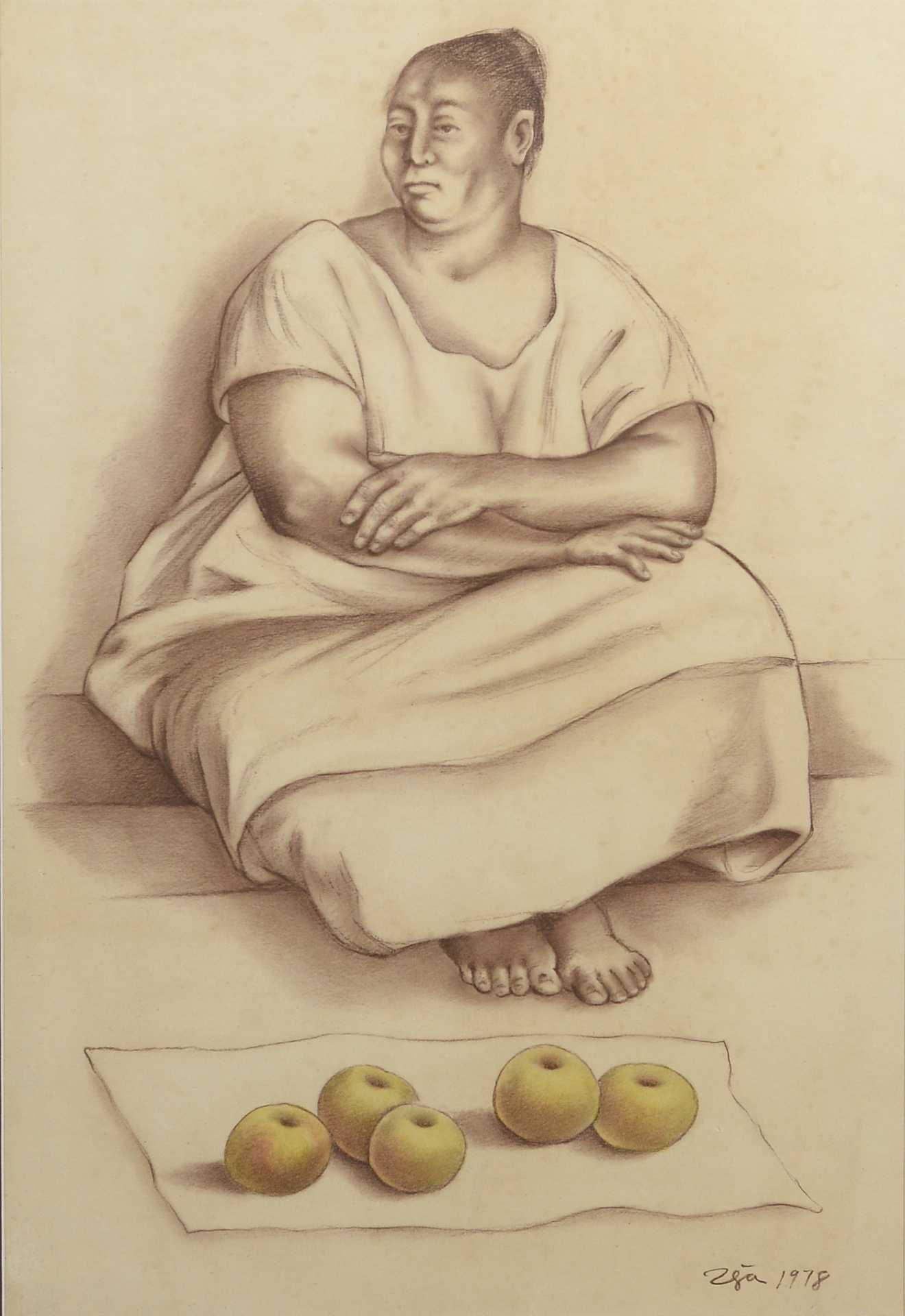
Born in Costa Rica and naturalized as a Mexican citizen, Francisco Zúñiga is one of the greatest sculptors of the 20th century. Deeply rooted in the pre-Columbian heritage, he created a modern artistic language to express the dignity, strength, and enduring spirit of Indigenous peoples—particularly women—whom he elevated to the status of universal symbols.
Zúñiga’s philosophy centers on the matriarch. For him, the woman of indigenous origin is the pillar of society and the direct link to the earth. His aesthetic rejects classical European beauty standards (slenderness, idealization) in favor of full, heavy, and powerful forms. He sought to capture stillness, patience, and resilience, transforming his models into totemic figures that seem to exist outside of time.
Even his small-scale sculptures possess an imposing presence. His figures, often seated or crouching, occupy the space with a natural authority. He simplified anatomical details to focus on essential volumes. Hands and feet are often broad, anchoring his figures to the ground.
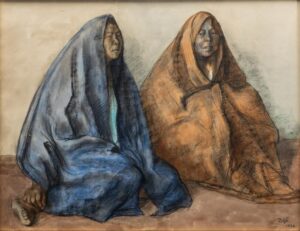
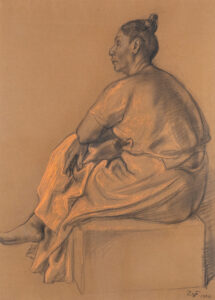
Zúñiga was also an exceptional draftsman. His works on paper use fluid lines and soft shadows to emphasize the sensuality and melancholy of his subjects. He played a crucial role in defining a modern art unique to Latin America, fusing modernism with local traditions.
Rejoindre notre infolettre!
Join our newsletter
“Art and love are the same thing: It’s the process of seeing yourself in things that are not you.”
– Chuck Klosterman
Heures d'ouvertures
Lundi au Vendredi
10H00 – 17H00
Samedi et Dimanche
Fermé
Clients
Liens utiles
“Art and love are the same thing: It’s the process of seeing yourself in things that are not you.”
– Chuck Klosterman
Opening hours
Monday to Friday
10:00am – 5:00pm
Saturday and Sunday
Closed