

Do you have a work to sell?
Riopelle, Jean-Paul
1923-2002
Quebec painter, Abstraction mondiale
A Montreal-based painter, printmaker, and sculptor, Jean Paul Riopelle is the most famous Canadian artist of the 20th century. As a signatory of the Refus global manifesto in 1948, he broke with academic conventions to propel Quebec art onto the international stage, becoming one of the masters of lyrical abstraction in Paris.
Riopelle’s philosophy rejects the idea of “copying” nature; instead, he seeks to mimic its raw power. His aesthetic is rooted in instinct and immediacy. For him, painting is a physical act, an accumulation of energy where chance and mastery converge. Although his work appears abstract, it is deeply rooted in his perception of the Canadian landscape, the seasons, and wildlife.
His most famous period (the 1950s) is characterized by the use of a painting knife. He applied color in thick impasto, creating vibrant “mosaics” that catch the light. His canvases burst with juxtaposed colors, creating a visual density where the eye gets lost as if in a forest undergrowth or a wild landscape. Later, he reintroduced animal themes (white geese, owls) and used spray paint, culminating in his monumental masterpiece, L’Hommage à Rosa Luxemburg.
As the first Canadian artist to truly make a name for himself in Paris and New York, he paved the way for generations of Quebec artists. His works are featured in the world’s leading museums (the Guggenheim, the Centre Pompidou, and the National Gallery of Canada). A true cultural icon in Quebec, his name is closely associated with the province’s cultural assertiveness during the Quiet Revolution.
Best results for Riopelle, Jean-Paul
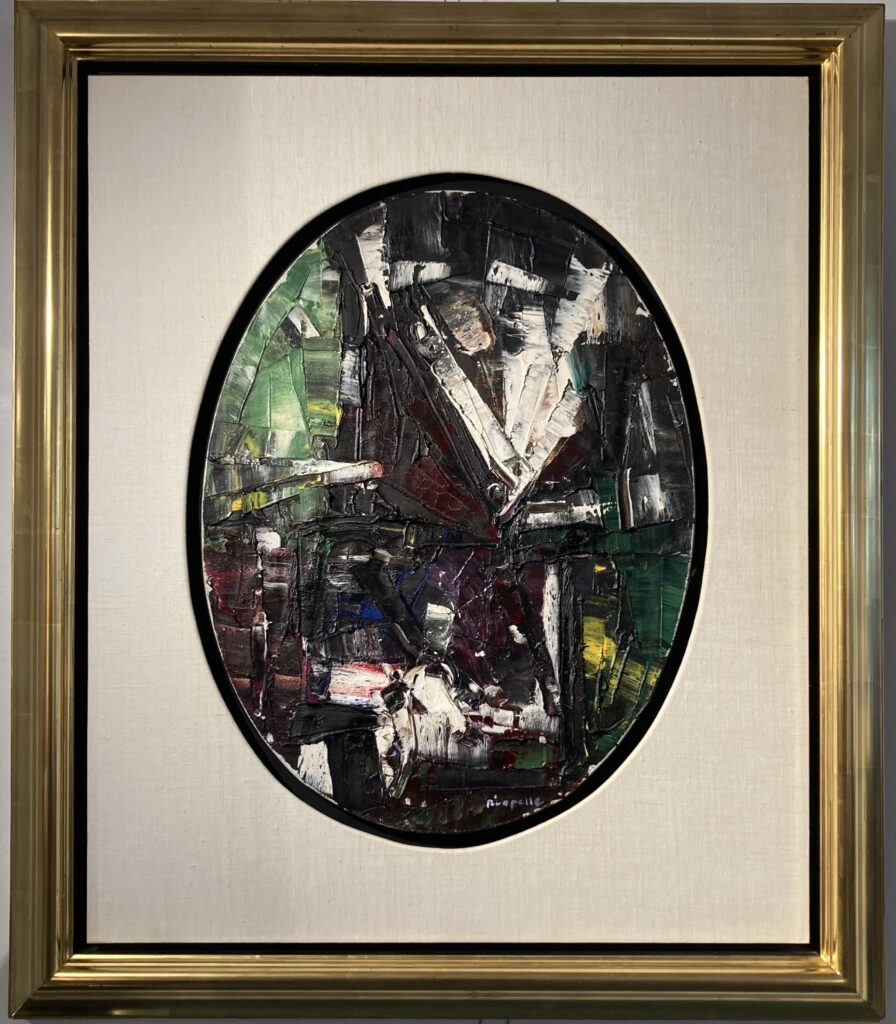
Untitled
Oil on oval canvas signed lower right Riopelle Auction result: 125 000 $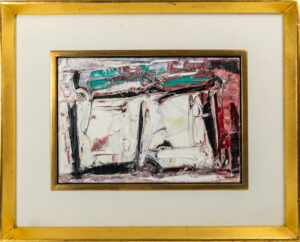
“Escalades”
Original oil on canvas signed lower right Riopelle Auction result: 55 000 $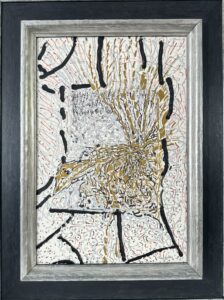
“Canard libre”
Acrylic on paper/canvas signed on lower right Riopelle Auction result: 16 000 $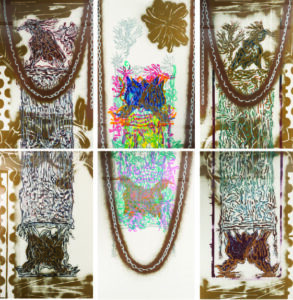
Composition en 6 parties
Color lithograph on Vélin d'Arches paper, composed of six separate panels Auction result: 14 000 $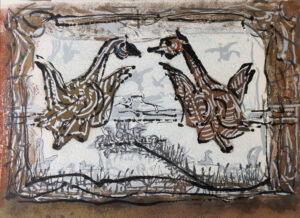
“Two heads Island”
Lithograph signed by hand lower right Riopelle, marked H.C. left Auction result: 13 000 $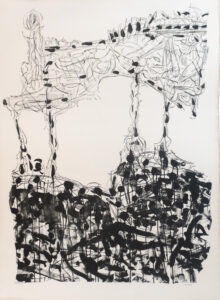
“Suite Caribou”
Lithograph on paper, signed on lower right Riopelle and numbered 12/30 Auction result: 9 500 $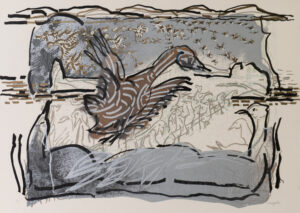
“Bord Island”
Lithograph signed by hand lower right Riopelle, marked H.C. left Auction result: 8 500 $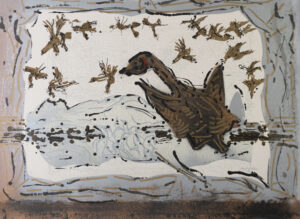
“Starbord Island”
Lithograph signed by hand lower right Riopelle, marked H.C. left Auction result: 8 500 $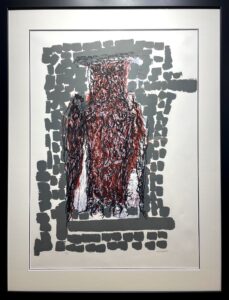
Hibou VIII
Colour lithograph, hand signed lower right Riopelle and numbered 59/75 Auction result: 8 000 $Rejoindre notre infolettre!
Join our newsletter
“Art and love are the same thing: It’s the process of seeing yourself in things that are not you.”
– Chuck Klosterman
Heures d'ouvertures
Lundi au Vendredi
10H00 – 17H00
Samedi et Dimanche
Fermé
Clients
Liens utiles
“Art and love are the same thing: It’s the process of seeing yourself in things that are not you.”
– Chuck Klosterman
Opening hours
Monday to Friday
10:00am – 5:00pm
Saturday and Sunday
Closed