

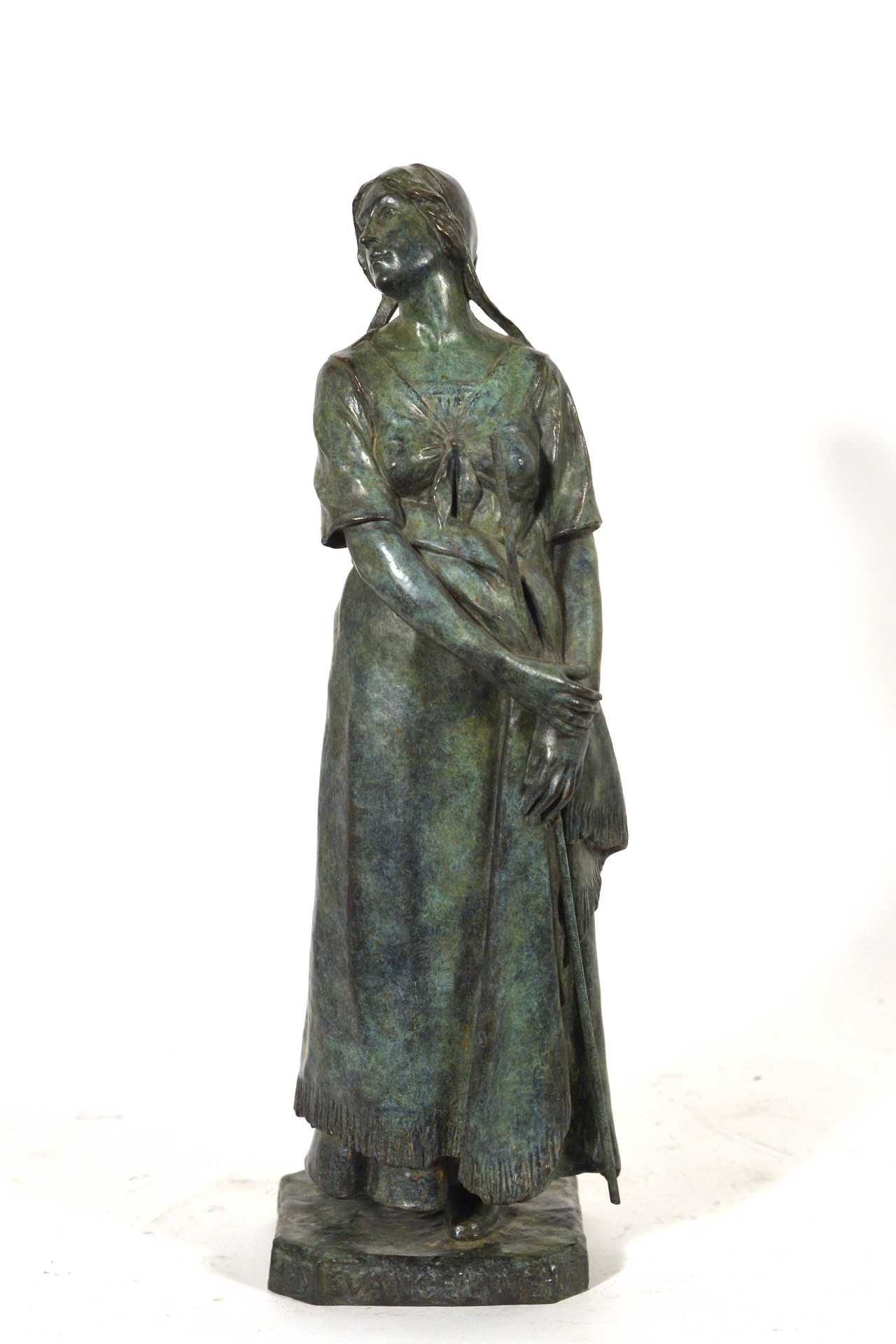
About Hébert, Henri
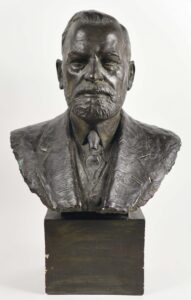
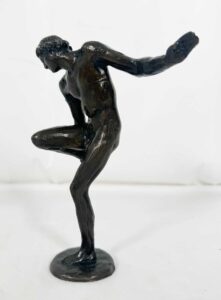
Heir to a lineage of artists (son of the famous Louis-Philippe Hébert), Henri Hébert developed an aesthetic of modern Neoclassicism. His style is distinguished by a purity of line and an attention to detail that moved away from his father’s romantic lyricism toward a more sober, almost stylized approach. He excelled in the art of relief and bust-making, favoring clarity of form and a certain economy of means. His works, whether in bronze, marble, or plaster, exude an intellectual serenity and elegance reminiscent of Art Deco and early 20th-century European movements.
His artistic philosophy centered on the pursuit of balance and measure. For Hébert, sculpture was not meant solely to commemorate; it had to possess autonomous aesthetic value, independent of its subject. He was one of the first Quebec sculptors to take interest in form for form’s sake, while remaining anchored to the human figure. His philosophy rested on the integration of art into architecture and modern life. As an influential teacher at the École des beaux-arts de Montréal, he advocated for absolute technical rigor, convinced that modernity could only arise from a perfect mastery of classical principles.
Rejoindre notre infolettre!
Join our newsletter
“Art and love are the same thing: It’s the process of seeing yourself in things that are not you.”
– Chuck Klosterman
Heures d'ouvertures
Lundi au Vendredi
10H00 – 17H00
Samedi et Dimanche
Fermé
Clients
Liens utiles
“Art and love are the same thing: It’s the process of seeing yourself in things that are not you.”
– Chuck Klosterman
Opening hours
Monday to Friday
10:00am – 5:00pm
Saturday and Sunday
Closed